When a house floods in Houston, the immediate priorities are safety, utility shutoff, documentation, and insurance notification. Houston homeowners face unique challenges: bayou proximity, clay soil, pier-and-beam construction in older neighborhoods, and hurricane-driven flooding that may involve both homeowners insurance and a separate NFIP flood insurance policy. Gas shutoff should be handled by calling CenterPoint Energy at 713-659-2111 if there is any uncertainty. Documentation before cleanup is critical for insurance claims. Mold can begin growing within 24 to 48 hours in Houston's humid climate, making professional drying equipment essential. Standard homeowners insurance does not cover flooding from external sources; FEMA flood insurance is a separate policy. Homeowners in FEMA flood zones in Houston are often required to carry flood insurance if they have a federally backed mortgage.
What to Do When Your House Floods in Houston: A Step-by-Step Emergency Guide
MC
January 15, 2025··9 min read·Marcus Chen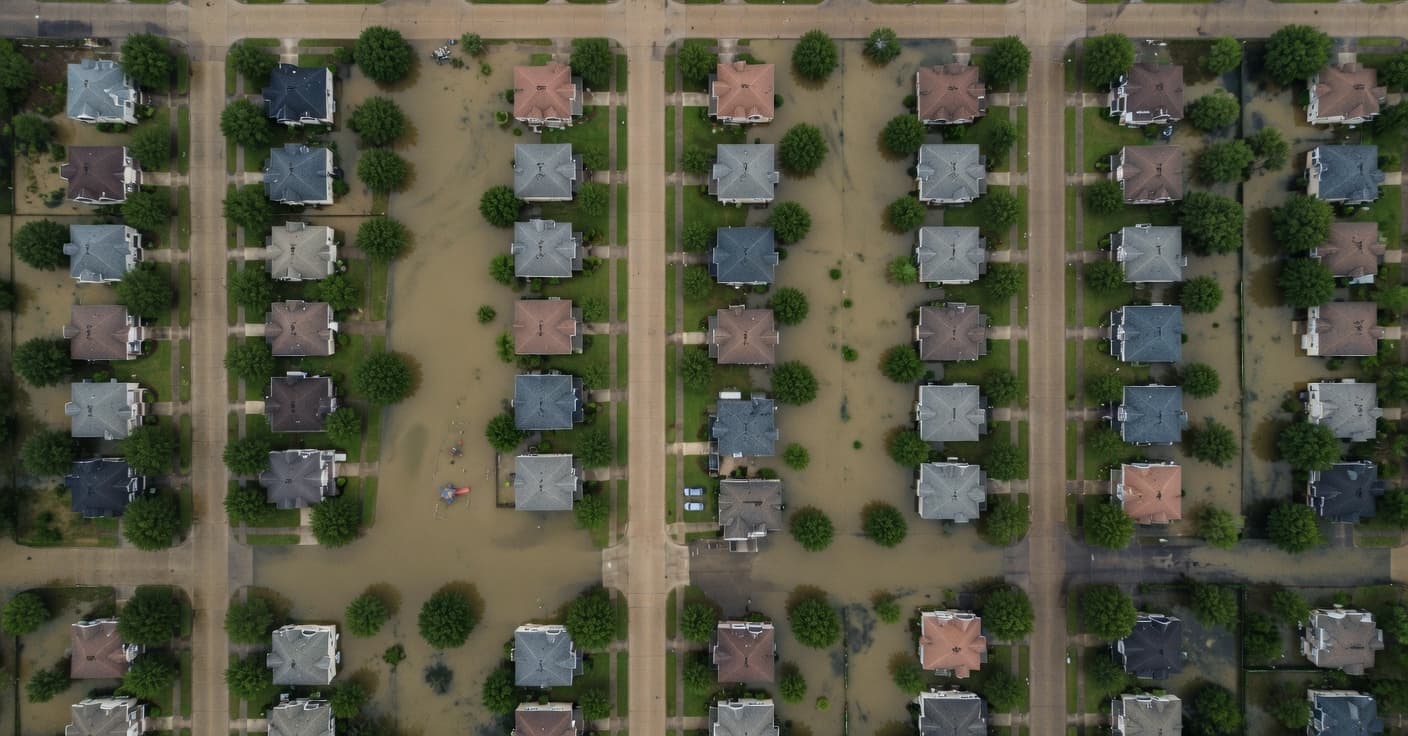
Quick Answer: Shut off gas at the meter (call CenterPoint Energy at 713-659-2111 if unsure), cut power at the breaker only if you can reach it safely without standing in water, get everyone out, then document everything before touching anything. Do not re-enter until authorities confirm it is safe.
I bought my bungalow in The Heights in 2015. Two years later, Hurricane Harvey hit. I watched 18 inches of water pour through my front door over the course of a single night. I had absolutely no idea what to do. I made mistakes that cost me time, money, and a great deal of stress I could have avoided. This guide is what I wish someone had handed me at 2 a.m. on August 27, 2017. Houston floods differently than most cities. Our bayou system, flat topography, and clay soil mean water rises fast and drains slowly. Whether you are dealing with a Harvey-scale hurricane flood, a bayou overflow in Meyerland, or a burst pipe in a Pearland subdivision, the first steps are the same. Here is exactly what to do, updated through July 2026.

Written by Marcus Chen
Software engineer in The Heights, Houston. Built HoustonHomeRestore after losing $47,000 to water damage and hidden mold following Hurricane Harvey.
Step 1: Get Everyone Out Safely
This sounds obvious, but panic makes people do dangerous things. Before you grab your phone or your documents, account for every person and pet in the house. Floodwater in Houston is almost never clean. Our bayous carry industrial runoff, sewage, and chemicals. Even water that looks clear after a pipe break can conceal electrical hazards. Do not wade through standing water to retrieve belongings. Nothing in your house is worth electrocution.
- •Wake everyone up and move to the highest floor if water is still rising
- •Grab medications, wallets, and phones only if they are immediately accessible
- •Do not use elevators in flooded buildings
- •If water is above your doorstep, call 911 before attempting to leave
- •Never drive through flooded streets. Six inches of moving water can knock an adult off their feet. Two feet can carry away an SUV.
Step 2: Shut Off Utilities
Gas is your biggest immediate risk. If you smell gas or hear a hissing sound, do not touch anything electrical and evacuate immediately. Call CenterPoint Energy at 713-659-2111 from outside the house. They operate 24 hours a day and can shut off your service at the meter. For electricity, go to your main breaker panel and flip the main breaker only if you can reach it without standing in water. If the panel is in a flooded basement or area with standing water, do not touch it. Call CenterPoint Energy or your electrician instead. Water shutoff is the third priority. Find your main shutoff valve, usually near the water meter at the street or where the main line enters the house, and turn it clockwise to close.
- •Gas: call CenterPoint Energy at 713-659-2111 if you smell gas or are unsure
- •Electricity: flip the main breaker only from a dry location
- •Water: close the main supply valve clockwise
- •If your HVAC is flooded, do not run it until it has been inspected. Running a flooded air handler spreads contamination through your entire duct system.
Step 3: Document Everything Before You Touch Anything
Your insurance claim lives or dies on your documentation. Before you move a single piece of furniture or start pulling up carpet, spend 20 to 30 minutes creating a thorough visual record. This step alone can mean thousands of dollars in your settlement. I learned this the hard way after Harvey. I started ripping out wet drywall before I had documented the waterline on the walls. My adjuster later questioned the extent of damage in those rooms.
- •Shoot wide-angle video of every affected room, narrating as you go
- •Photograph waterlines on walls before anything is moved
- •Document the water source if visible (overflowing bayou, burst pipe, roof breach)
- •Photograph serial numbers on appliances and HVAC equipment
- •Take photos from multiple angles of flooring, baseboards, walls, and ceilings
- •Record the date and time on your device before shooting
- •Back up all photos and videos to cloud storage immediately
Step 4: Call Your Insurance Company
Call your homeowners insurance carrier as soon as you are safe. Do not wait. Most policies have notification requirements, and delays can complicate your claim. Know which policy applies before you call. In Houston, this is critical: standard homeowners insurance does not cover flooding from external sources like bayou overflow or storm surge. That is flood insurance, which is a separate FEMA-backed policy through the National Flood Insurance Program. Many Houston homeowners have both, which means two separate claims to file. If you are unsure which policy covers your loss, call both carriers and let them sort it out.
- •Call your homeowners insurer first to report the claim
- •If you have NFIP flood insurance, call that carrier separately
- •Ask for a claim number and the name of your adjuster
- •Ask what emergency mitigation steps you are authorized to take
- •Get all instructions from your insurer in writing via email or text
- •Do not sign anything from a contractor until you have spoken to your adjuster
Step 5: Begin Emergency Mitigation (Within 24-48 Hours)
Insurance policies require you to take reasonable steps to prevent further damage. This is called mitigation, and skipping it gives your insurer grounds to reduce your payout. In Houston's heat and humidity, mold can begin growing within 24 to 48 hours. That timeline is shorter here than in drier climates because our ambient humidity is already so high. Your goal in the first 48 hours is to remove standing water, increase airflow, and get professional drying equipment into the space.
- •Remove standing water with a wet/dry vacuum or sump pump
- •Pull up saturated rugs and move them outside to dry or dispose of them
- •Open windows and doors if outdoor humidity is lower than indoor (check your weather app)
- •Run fans and your AC to increase air circulation
- •Remove soaked items from cabinets and closets so they can dry
- •Do not run your HVAC system if ducts may be contaminated
- •Contact a water damage restoration company for industrial drying equipment
Step 6: Protect Your Home from Further Damage
Once the immediate emergency is managed, you need to secure the property against additional damage. Houston weather is unpredictable, and a flood is often followed by more rain. If your roof was breached, get a tarp on it. If windows or doors were broken by storm surge or debris, board them up. Keep receipts for every temporary repair. Your insurance will typically reimburse reasonable emergency protection costs, but you need documentation.
- •Tarp any roof damage before the next rain event
- •Board broken windows or doors
- •Remove tree limbs or debris resting on the structure
- •Set up temporary lighting if power is off
- •Keep all receipts for tarps, boards, and emergency supplies
- •Do not make permanent repairs until your adjuster has inspected the damage
Houston-Specific Flooding Hazards You Need to Know
Houston has flood risks that do not exist in most other American cities. Understanding them helps you respond correctly and helps you communicate accurately with your insurance company.
- •Bayou flooding: Buffalo Bayou, Brays Bayou, White Oak Bayou, and others can rise 20 feet in hours during heavy rain. Homes in Meyerland, Bellaire, and Riverside Terrace are especially vulnerable.
- •Clay soil: Houston's expansive clay soil does not absorb water. It causes it to pool on the surface and push against foundations, leading to foundation cracks and water intrusion that is not immediately visible.
- •Pier-and-beam homes: Many older Houston homes in Montrose, The Heights, and the East End sit on pier-and-beam foundations. Floodwater under the house causes different damage than slab flooding and requires different remediation.
- •Hurricane storm surge: Coastal communities from Clear Lake to Seabrook face storm surge that can arrive faster and with more force than inland flooding.
- •Reservoir releases: During Harvey, the Army Corps of Engineers released water from Addicks and Barker Reservoirs, flooding tens of thousands of homes in west Houston and Katy that had not flooded from rain alone.
When to Call a Professional vs. Handle It Yourself
Small clean-water events, a washing machine overflow on a tile floor for example, are often manageable with rented equipment if you act within a few hours. Everything else in Houston should involve professionals. The reason is straightforward: our humidity means drying times are longer, the risk of hidden moisture in walls and under slabs is higher, and improper drying almost always leads to mold within weeks. Mold remediation costs several times more than proper drying done right the first time.
- •DIY is reasonable: small clean-water spills under 100 sq ft on non-porous surfaces, acted on within 2 hours
- •Call a professional: any flooding from Category 2 or 3 water (sewage, bayou water, dishwasher)
- •Call a professional: any event covering more than one room or affecting walls, subfloor, or cabinets
- •Call a professional: any flooding in a pier-and-beam home where under-floor moisture is a concern
- •Call a professional: any flooding where you are filing an insurance claim
Frequently Asked Questions
It depends on the extent of the damage and whether utilities have been safely shut off. If there is structural damage, active mold growth, sewage contamination, or electrical hazards, you should not stay. Houston's heat and humidity make flooded homes uncomfortable and potentially dangerous even without structural damage. If you have any doubt, stay somewhere else for the first few nights.