Water Damage Restoration Houston: The Complete Homeowner Guide
·Marcus Chen

Written by Marcus Chen
Software engineer in The Heights, Houston. Built HoustonHomeRestore after losing $47,000 to water damage and hidden mold following Hurricane Harvey.
I grew up in Houston and lost $47,000 in damages after Hurricane Harvey. Most of it was not the water itself. It was the mistakes I made in the first 72 hours: not documenting correctly, waiting too long to dry, and not fully understanding what my insurance actually covered. This guide exists so you do not repeat those same mistakes.
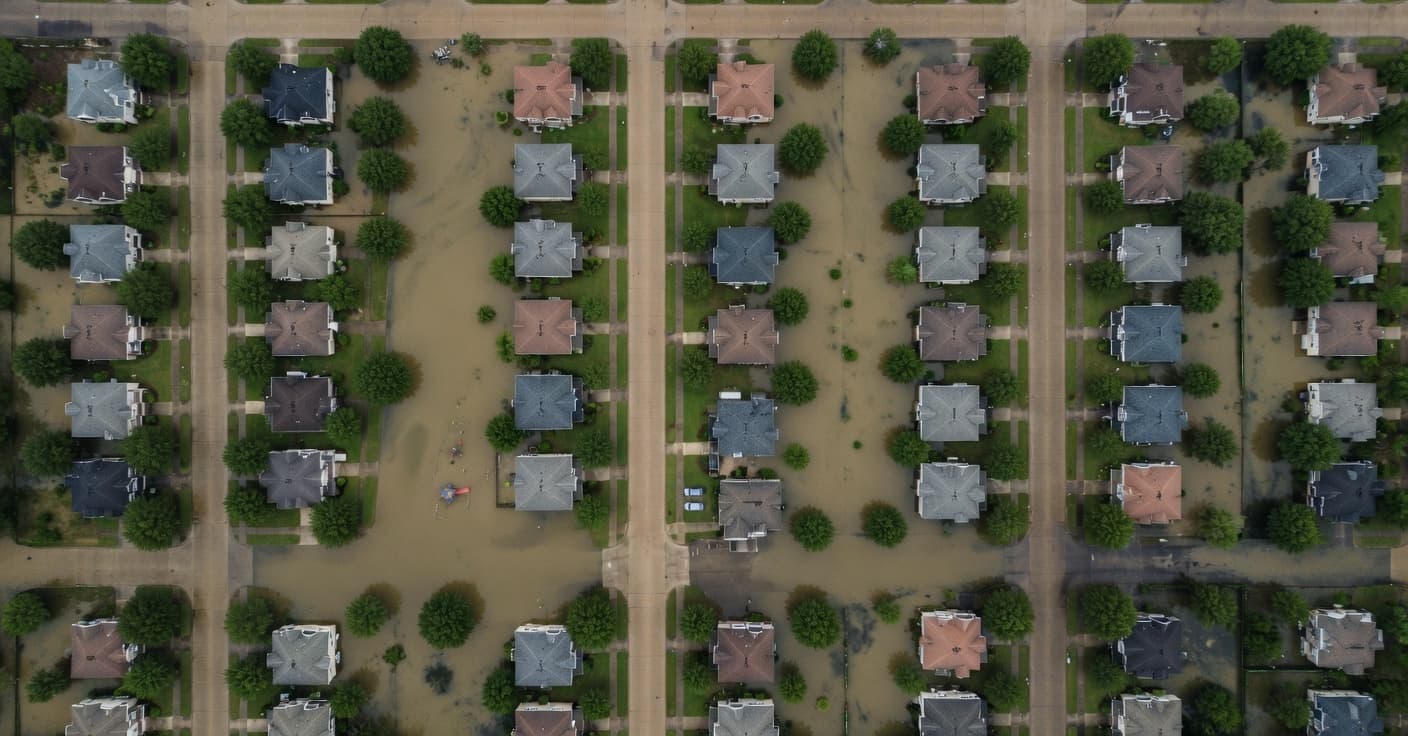
Houston is not Denver or Phoenix. Our humid subtropical climate, clay soil, overflowing bayous, and hurricane season create unique conditions that make water damage more severe and restoration more complicated than almost anywhere else in the US. If not addressed quickly, mold can appear within 24 hours.
Emergency First Steps
Stop the Source
Shut the main water valve if it's a pipe. If it's bayou or rainwater, wait for it to recede. Never walk through standing water that may be electrified.
Document Everything
Photograph and video everything before moving anything. Your insurance claim depends on detailed documentation. Record date, time, and water level. Save receipts for everything you purchase.
Call Your Insurer
File the claim within 24 hours. Under the Texas Insurance Code, your insurer must acknowledge within 15 days. Get your claim number and the assigned adjuster's name.
What Water Damage Restoration Actually Involves
Professional water damage restoration follows a multi-step process standardized by the Institute of Inspection, Cleaning and Restoration Certification (IICRC). It's not just mopping up a wet floor. The full process includes moisture inspection and mapping, industrial water extraction, structural drying with high-capacity dehumidifiers, daily moisture monitoring, antimicrobial treatment, and reconstruction of damaged materials.
In Houston, the drying phase is both the most critical and the most challenging. With outdoor relative humidity frequently exceeding 80%, drying equipment is working against the environment at every step. A drying job that would take 3 days in Arizona can take 5 to 7 days in Houston during summer. Learn more about realistic timelines in our guide on how long water damage restoration takes.
The IICRC S500 standard defines moisture targets for wood and masonry materials. Water Restoration Technicians (WRT) and Applied Structural Drying (ASD) certified technicians are what you need. Always ask to see certifications before allowing anyone to work on your home.
Why Houston Is Different: Local Challenges
Extreme Humidity and Subtropical Climate
Houston has one of the highest average relative humidity levels of any major US city, hovering around 75% year-round and exceeding 90% in summer. This means mold can begin growing on wet materials in as little as 24 hours, and drying takes considerably longer than in drier climates. Dehumidifiers have to run continuously and energy costs during drying can be substantial.
Expansive Clay Soil
Houston's soil is primarily Beaumont clay, known for its dramatic expansion and contraction cycle. When flooded, the soil absorbs water and expands, exerting lateral pressure on foundations and basement walls. When it dries, the soil shrinks, and slab foundations can crack. After any flood, always have foundations inspected. The Texas Foundation Engineering Institute recommends waiting 6 to 12 weeks after major flooding before doing foundation leveling work.
Pier-and-Beam vs. Slab Homes
Many historic Houston neighborhoods, including The Heights, Montrose, Midtown, and the East End, have homes built on pier-and-beam foundations with a crawlspace below. When these homes flood, the crawlspace can retain water and moisture for weeks. Without proper ventilation and antimicrobial treatment, the crawlspace becomes a mold incubator. This is exactly what happened to my home after Harvey. The main floor looked dry, but underneath was a disaster.
Bayou Overflow
Houston has more than 2,500 miles of bayous and channels. Brays Bayou, Buffalo Bayou, White Oak Bayou, and Greens Bayou overflow during heavy rainfall. Bayou water is Category 3: black water containing E. coli bacteria, industrial contaminants, and sewage. Any porous material that contacts bayou water, including drywall, insulation, wood framing, and carpet, must be removed, not just dried. See our complete flood cleanup guide for Houston for the detailed protocol.
Water Damage Categories and Houston Context
| Category | Type | Houston Examples | Protocol |
|---|---|---|---|
| Cat 1 | Clean Water | Burst supply line, sink overflow, water heater leak | Extraction, drying, monitoring. Porous materials may dry in place if acted on quickly. |
| Cat 2 | Gray Water | Washing machine overflow, AC condensate, rain intrusion through windows | Extraction, antimicrobial treatment, drying. Drywall may need removal if damage is extensive. |
| Cat 3 | Black Water | Bayou flooding (Harvey), sewage backup, street stormwater | Full removal of all porous materials. Complete antimicrobial treatment. Requires Level 2 PPE. |
Water Damage Restoration Costs in Houston
These ranges reflect real Xactimate pricing in the Houston area for 2025-2026. Houston prices tend to run 8 to 12% above national averages due to post-storm demand and local labor costs. For a more detailed breakdown, read our guide on water damage restoration costs in Houston.
| Work Type | Low | High | Notes |
|---|---|---|---|
| Water extraction (per sq ft) | $0.40 | $0.90 | Higher for Cat 3 |
| Structural drying (per day) | $600 | $2,000 | Includes equipment and labor |
| Drywall removal (per sq ft) | $1.50 | $4.00 | Cat 3 requires sealed bags |
| Antimicrobial treatment | $200 | $1,000 | Per area treated |
| Minor damage, 1 room | $1,500 | $4,000 | Cat 1, quick action |
| Moderate damage, multiple rooms | $4,000 | $15,000 | Cat 1-2, 3-7 day dry |
| Severe flooding with structural damage | $25,000 | $75,000+ | Cat 3, bayou overflow |
Realistic Restoration Timeline for Houston
Water Damage Insurance in Texas: What You Need to Know
Standard Texas homeowners insurance covers water damage that is sudden and accidental. This includes burst pipes, failed water heaters, appliance overflows, and plumbing failures. It does NOT cover flood damage from external sources, maintenance-deferred damage such as slow leaks you did not report for months, or sewer backup unless you have a specific endorsement.
Under Texas Insurance Code Section 542, your insurer must acknowledge your claim within 15 business days, accept or deny the claim within 15 additional business days after receiving all needed information, and pay accepted claims within 5 business days. If they miss these deadlines, you're entitled to additional interest and potentially attorney fees.
For flooding caused by bayou overflow, stormwater, or the sea, you need separate flood insurance. Most Houston policies are through the National Flood Insurance Program (NFIP). Read our complete flood cleanup guide for full NFIP details.
Prevention Tips for Houston's Climate
Inspect your roof annually
Texas sun degrades roofing quickly. Broken shingles are the top cause of rainwater entering attics.
Clear gutters before each rainy season
Clogged gutters cause water to back up under rooflines. Clean in March and September.
Install a water leak detector
Water sensors for $30 to $100 under sinks and behind appliances can catch leaks before they become floods.
Ventilate crawlspaces
If you have pier-and-beam foundations, make sure crawlspace vents are open and unblocked. Consider a crawlspace fan.
Know where your main shutoff is
In a pipe emergency, every minute counts. Practice closing the main shutoff so everyone in the house knows how.
Monitor indoor humidity
A $15 hygrometer tells you if indoor humidity exceeds 60%, signaling mold risk. Use AC or a dehumidifier to keep it below 55%.
FAQ: Water Damage in Houston
Related Guides
Related Blog Posts
Water damage restoration Houston Texas: IICRC S500 certified drying, Category 1 2 3 water damage, bayou flooding cleanup, pier-and-beam crawlspace moisture, Houston clay soil foundation, Harvey hurricane water damage, Texas Insurance Code 542 prompt payment, Beaumont clay expansive soil, Heights Montrose East End Houston water damage, Xactimate pricing Houston 2026, NFIP flood insurance Houston, CenterPoint Energy restoration, mold prevention Houston humidity, water damage cost estimate Houston.